
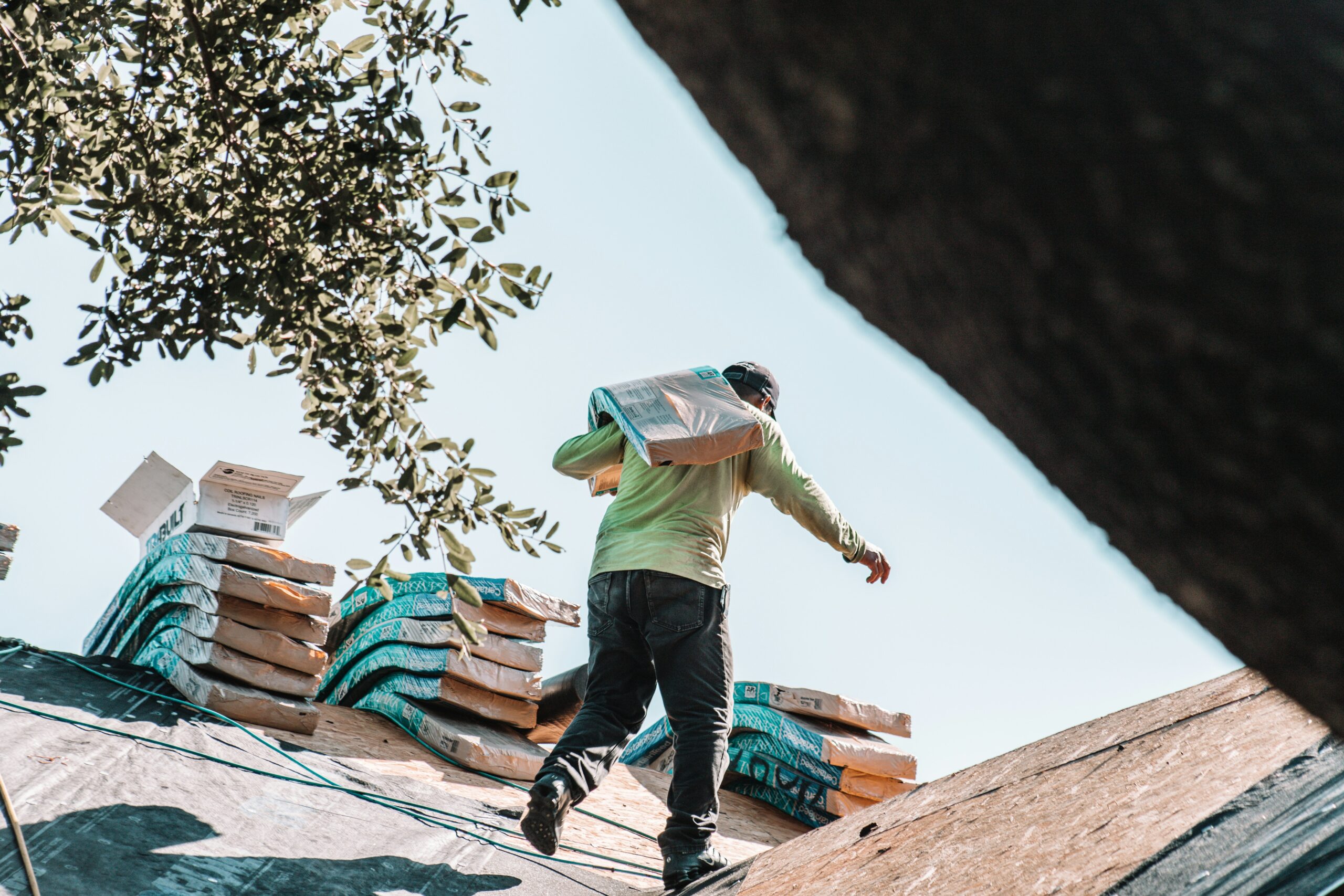
For SFR and small multifamily rentals, a full roof replacement is usually the single largest one-time expense property owners face outside of a major HVAC failure. Most landlords are aware of this, but too many still manage roofing repairs reactively. At its worst, ignoring a small ceiling stain can easily escalate into 5-digit repair expense.
If you want to keep your CapEx reserves intact and prevent tenant turnover, especially in a climate like Grand Rapids, roofing repairs must be managed like a depreciating asset, rather than an unexpected emergency.
Local Grand Rapids roofing experts, Salt & Light Roofing and Exteriors, sums up the approach investors must take in managing their property’s roof quite well: “Our biggest recommendation for investors is to stay ahead of the roof instead of waiting until there’s a problem. Regular inspections and addressing smaller issues early can add years to a roof’s life. When replacement is necessary, we recommend investing in a quality roofing system and proper installation rather than simply choosing the lowest bid. In our experience, doing it right the first time usually saves property owners more money in the long run.”
What Actually Destroys a Roof (And How to Delay Replacement)
An asphalt shingle roof shouldn’t need a total replacement at the first sign of trouble. Most leaks don’t start in the middle of a field of shingles; they start at the transition points.
-
- Pipe Boots and Flashing: The rubber boots around plumbing vents dry-rot every 5 to 7 years—long before the shingles fail. Replacing a cracked $20 boot today saves you from replacing a ceiling section next winter.
-
- Gutters and Fascia: When gutters fill with leaves, water backs up under the edge shingles and rots the fascia board. Clean them twice a year—especially after the late fall drop.
-
- Overhanging Branches: Keep limbs trimmed back at least 6 to 8 feet. Rubbing branches scrape off the protective mineral granules on shingles, accelerating wear by years.
Knowing When to Patch vs. Replace
If the roof is under 15 years old and the shingles are still pliable, patch it. But once an asphalt roof hits the 18 to 20-year mark, continuous patching is usually throwing bad money after good.
Proper management in planning maintenance, repairs, and replacement is key to stable rental returns. When the roof requires replacement, don’t just take the lowest bid from a contractor dumping three layers of shingles over old decking. Require a full tear-off, high-grade ice and water shield in the valleys, and adequate ridge ventilation. Improper attic ventilation cooks shingles from the inside out during summer, cutting a 30-year shingle’s actual lifespan down to 15.
The Real Math on Roof CapEx
Budgeting $0.05 to $0.10 per square foot per month into a dedicated CapEx reserve keeps a $10,000 replacement from wiping out an entire year of cash flow. Stay ahead of the flashing, keep the gutters clear, and plan for the replacement date long before the water hits the tenant’s ceiling.